It is the best and most durable anti-corrosion protection for metal products.
▼
Galvanic galvanizing
We guarantee quality, and we work both with small orders and on an industrial scale.
▼
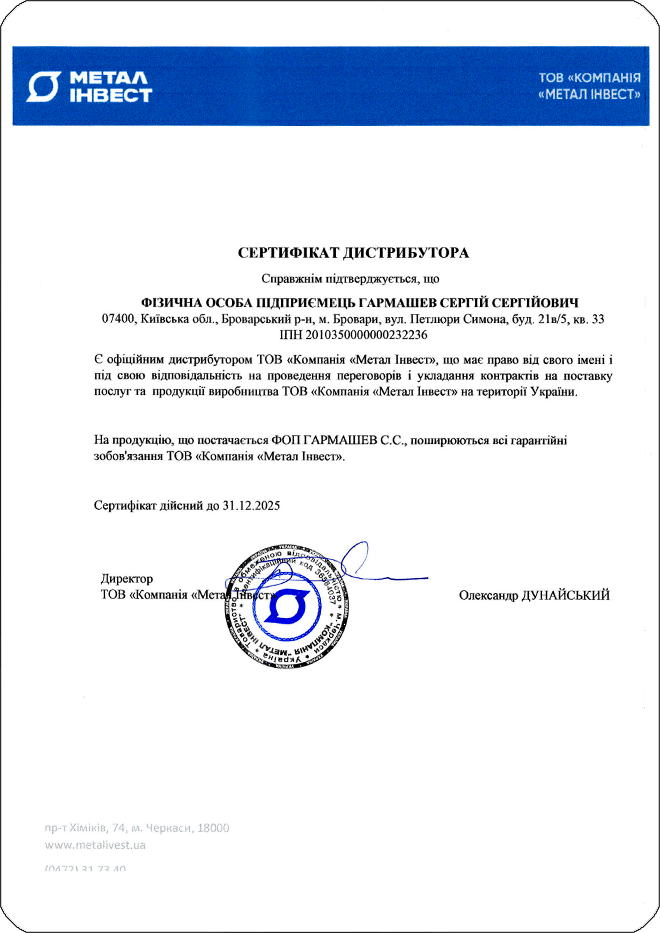
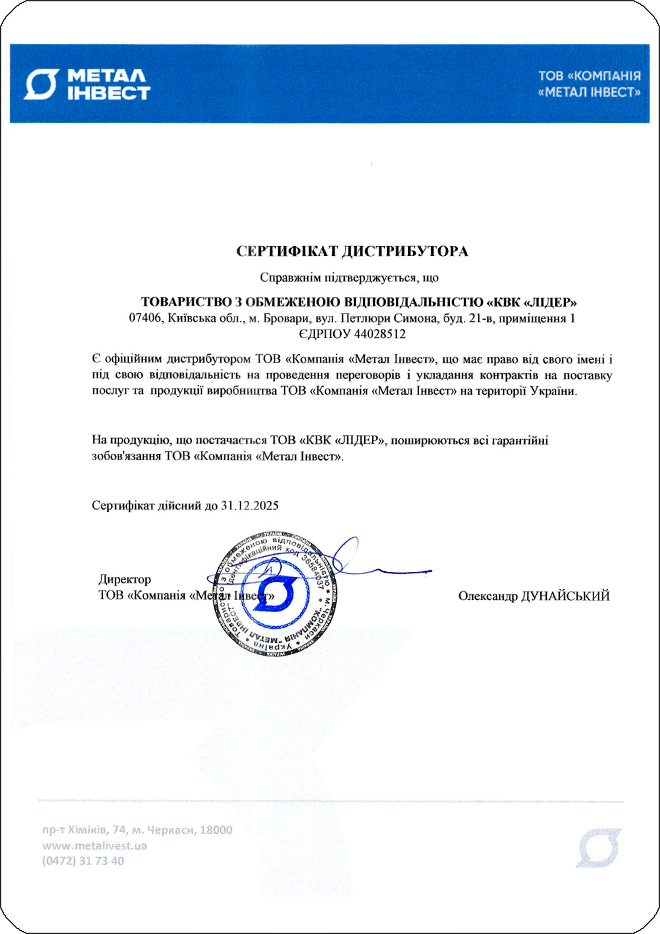
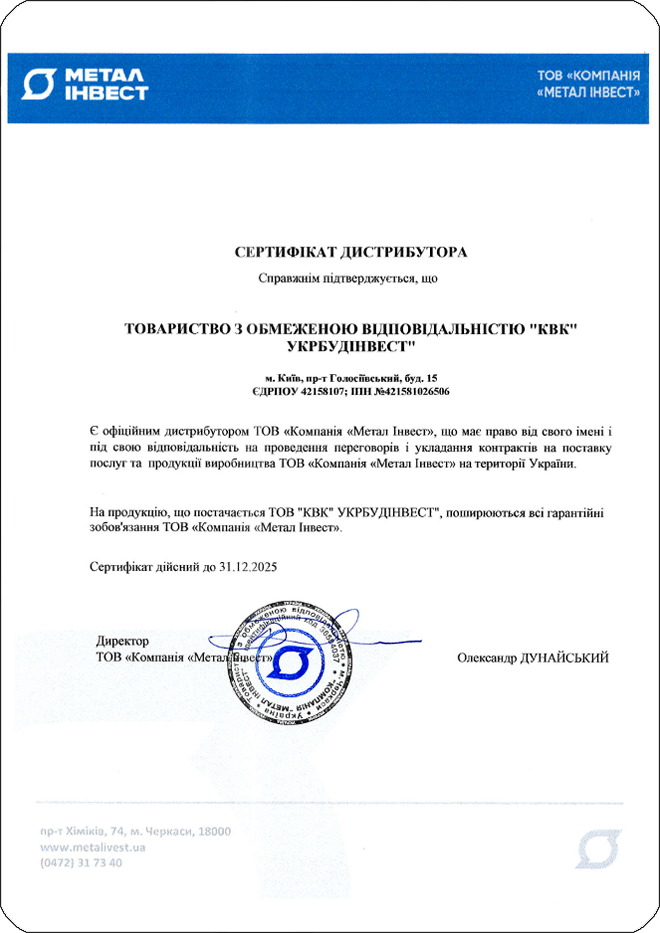
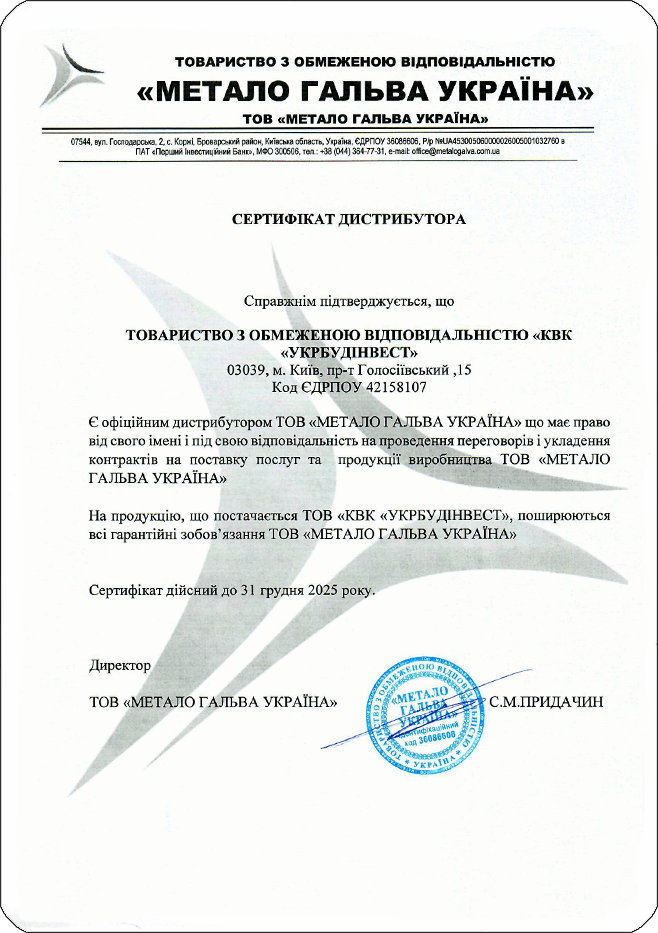
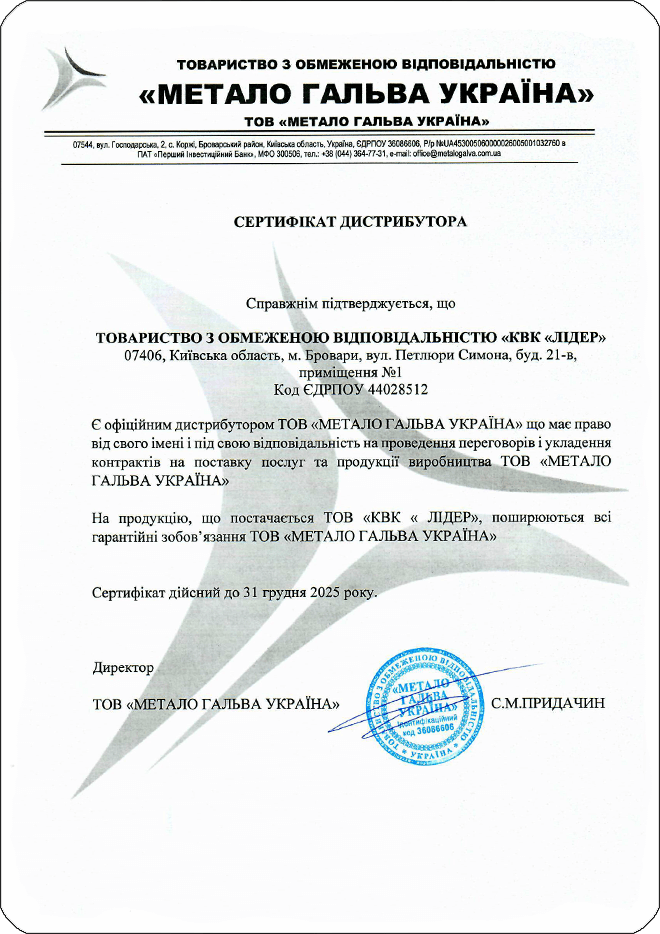
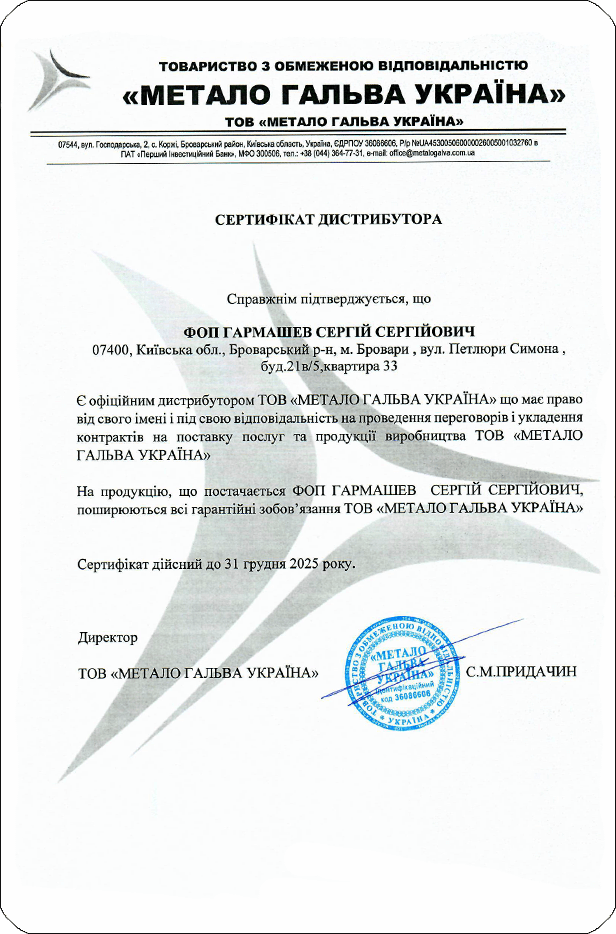
UBI GROUP - Official DEALER and DISTRIBUTOR of the National leaders of the GALVANIZING industry!
Iron quality
Individual approach
Execution speed
We are very confident in the durability and quality of galvanized products :)
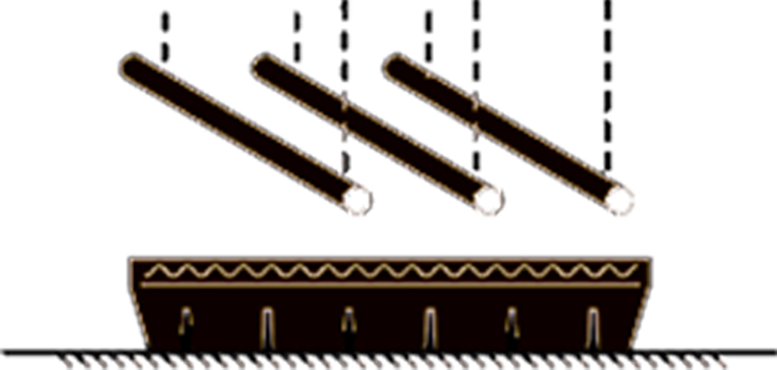
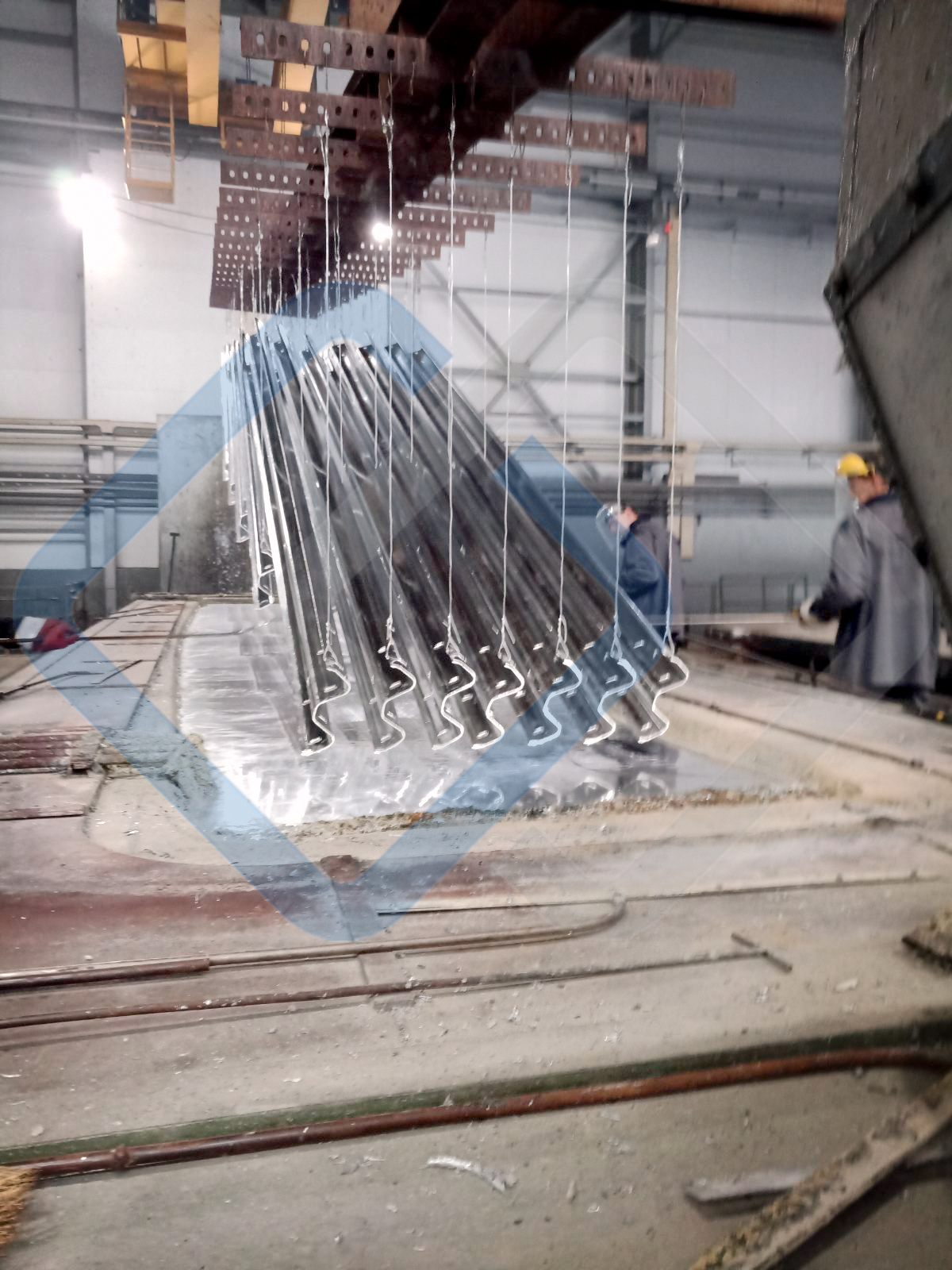
Hot-dip galvanizing is a unique process that provides long-term protection of metal structures from corrosion. Hot-dip galvanizing or galvanic galvanizing occurs by immersing the metal in a melt of zinc at a temperature of about 450 ° C. Thus, the molten zinc becomes part of the surface structure of steel, forming a strong layer of an alloy of zinc and iron.
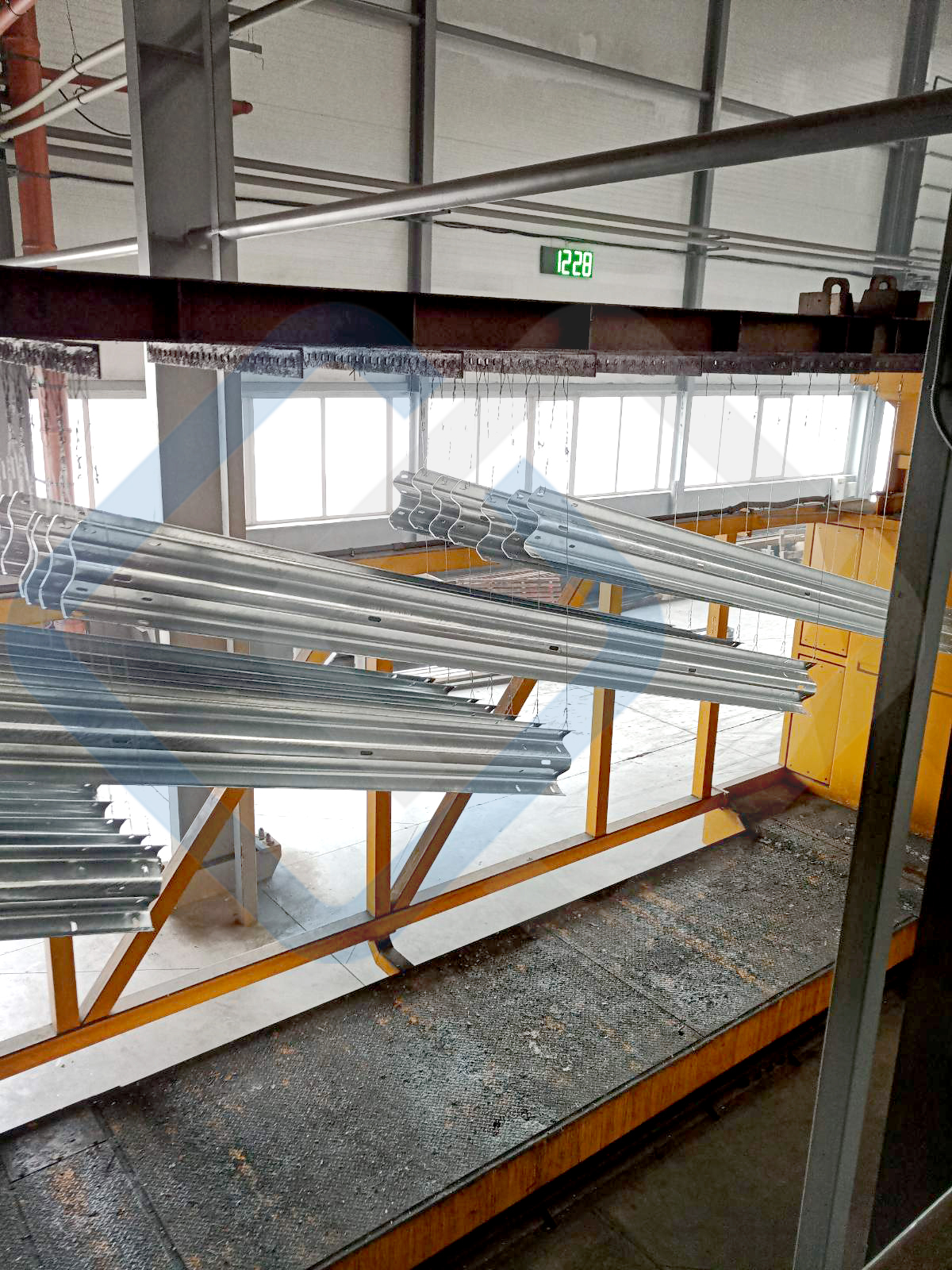
The process of immersing the products in a zinc bath provides a uniform coating that completely covers the entire surface area, including recesses and inner surfaces.
According to AmericanGalvanizerAssociation hot-dip galvanizing provides corrosion protection:
• In the industrial environment 65 years • In a tropical environment: 70 years • In a suburban environment: 85 years • In a suburban environment: 120 years.
Hot-dip galvanizing has a wide range of applications:
construction; energy; oil and gas industry; engineering; Agriculture.
We are leaders in the field of galvanizing:
Hot-dip galvanizing is one of the most common forms of galvanizing. This process entails coating an iron or steel object by immersing it into a molten zinc bath at temperatures of around (450°C). Once removed from the bath, the zinc coating on the iron or steel's exterior reacts with oxygen in the atmosphere to form zinc oxide (ZnO).
Zinc oxide further reacts with carbon dioxide to form the protective layer known as zinc carbonate (ZnCO3). This dull grayish film is relatively stable and adheres tightly to the surface of the iron or steel. In hot-dip galvanizing, the zinc chemically bonds and becomes part of the steel being protected.
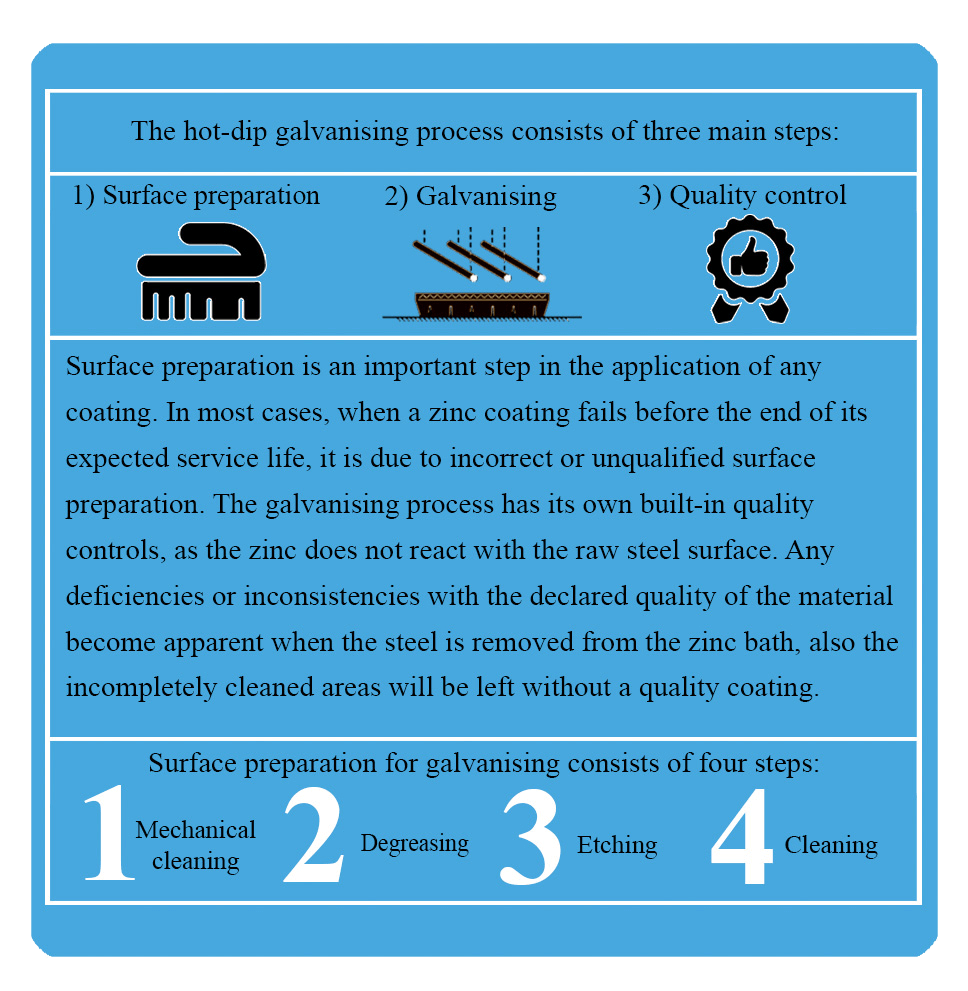
Though the concept of hot-dip galvanizing may seem simple, the process consists of several crucial steps. The steel first goes through four cleaning stages to prepare its surface for galvanizing; cleaning, these are degreasing, pickling and fluxing. Degreasing is used to remove dirt, oil and other organic residues; a mild acid bath, or pickling, etches the steel and removes mill scale and iron oxide; and fluxing further removes any oxides and coats the steel with a protective layer that prevents the formation of further oxides on the steel surface prior to galvanizing.
Once the cleaning process is completed, and the structure has dried, it is ready to be immersed into the molten zinc bath. Molten zinc flows in and around the iron or steel object, thus thoroughly coating it to protect all surfaces. The coated material is then removed from the bath and air-dried before inspection.
ТОВ "Комерційно-виробніча компанія" УКРБУДІНВЕСТ" (ТОВ "КВК"УКРБУДІНВЕСТ"); ТОВ "Комерційно-виробніча компанія"(ТОВ "КВК"ЛІДЕР"); ТОВ "Науково-виробничий центр "ДОРБУДТЕХНОЛОГІЯ" (ТОВ "НВЦ "ДОРБУДТЕХНОЛОГІЯ"); ТОВ "ГРАНД БОЛИВАР"